Simon Conference reveals the West of Ireland has highest levels of youth homelessness.

Galway Simon Community has hosted a conference on youth homelessness as part of Simon Week 2024.
The conference coincided with the release of monthly homelessness figures released by the Department of Housing, Local Government, and Heritage on Friday September 28. They demonstrated a rise with the nationwide number of homeless adults rising to 10,067.
396 of these are located in the West of Ireland, which includes Galway, Roscommon, and Mayo. This represents a 6.7% increase in adults living in emergency accommodation on the same time last year.
Introducing the conference, titled “Addressing Youth Homelessness – What Works”, Simon Community’s Executive Director and National Spokesperson Wayne Stanley said that Simon Week needs to be “solutions based” as the housing crisis is so widespread that awareness is no longer the priority.
Mr. Stanley also said, in light of the upcoming general election, that the charity is seeking to put “positive pressure” on the government. He said that we need “positive changes in ways we deal with youth homelessness.”
In addition, the released figures have shown that the West has the highest proportion of youth homelessness in Ireland, with over 20% of adults in emergency accommodation being in between the ages of 18 to 24. It represents a rise of 9.3% compared to the same time period in 2023.
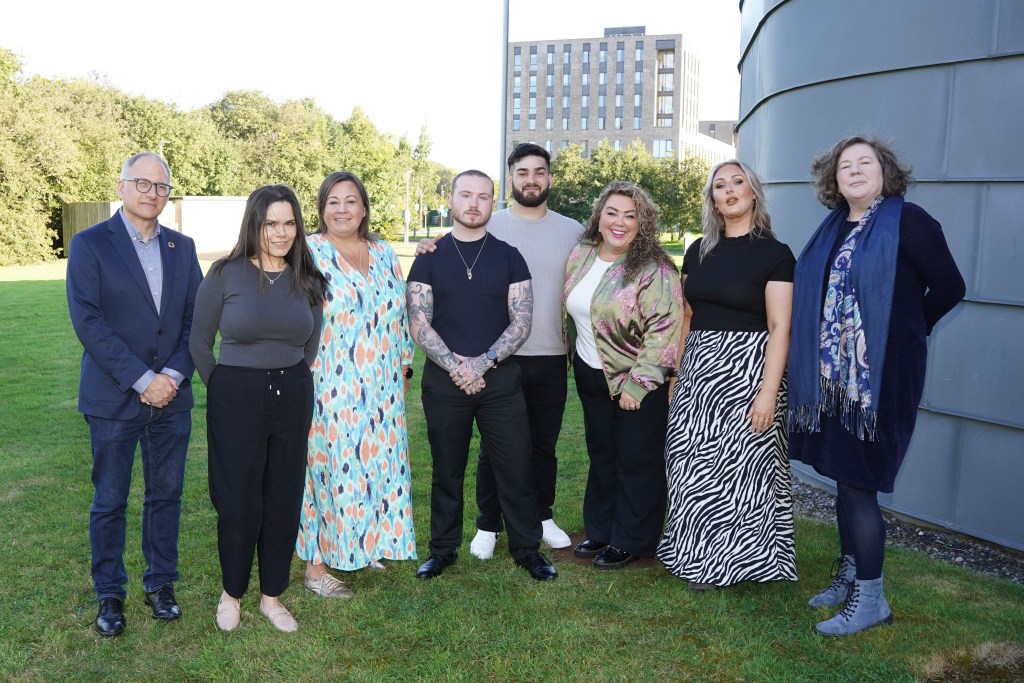
Youth Homelessness Strategy
Speaking at the conference, Sinead Healy, Assistant Principal Officer in Homelessness Policy, Funding and Delivery, highlighted the government’s Youth Homelessness Strategy which was launched in November 2022.
The programme, which is a “reaction to increase in amount of young becoming homeless”, was developed following consultation with the public, local authorities, and young people with experience of homelessness. One of its achievements includes guidance being issued to local authorities regarding the inclusion of young people in Homelessness Action Plans, for the first time ever, as they were not previously recognised as their own cohort.
Ms. Healy also explained the Supported Housing for Youth (SHY) strategy, which is a “housing-led intervention for young people”. According to the Department, it is a strategy that “emphasises the need to provide young people with a flexible level of supports.”
Simon Youth Service
Also speaking at the conference was Aisling O’Hara, Services Manager for the Galway Simon Community Youth Service. She explained that youth homelessness has risen 57% in the last five years, which has had an effect on the Simon Community with the number of 18-25 year olds supported by Simon increasing by 25% in between 2021 and 2022.
Galway Simon Community currently has the capacity for 26 young people, who are being housed in non-identifiable homes. Ms. O’Hara emphasised that a sense of belonging is important among young people, and that they make a special effort to transform their living spaces into a home.
Speaking to Galway Pulse, she explained that there are particular challenges that young people face when seeking accommodation that older adults do not: “[One of] the very particular challenges that young people face is when they are trying to present themselves to private rented accommodation, just by its very virtue, by being a young person, you are already at a disadvantage.
“There are a lot of young people that are in hidden homelessness. So what that means is maybe couch surfing, staying with a friend, they can’t be seen, and they maybe don’t believe that they’re homeless, but actually they are. So those young people are quite hard to reach because we don’t have a true reading on that number.”
Ms. O’Hara also said that young people that are in vulnerable groups, such as members of the travelling community or the LGBTQI+ community, face additional challenges: “What we do know is that a young person leaving care, a young person leaving prison, a young person from a marginalized group, is more vulnerable.”
She said that a lot of the young people coming to Simon at the moment are entering homelessness as a result of “family breakdown” and could be “a backlash from Covid”.
Referring to changes needed in government policy, Ms. O’Hara said that “we need to look at prioritising housing young people long term, so that our local authorities are agreeing to keep a proportion of housing for vulnerable young people, and that it’s not the general waiting list, we have to look at a different measure. And I believe that’s actually looking at a long term housing solution.”