Losing Faith, Finding Purpose: How Ireland’s Young People Are Redefining Spirituality
By Caitlín Martin
As the nights draw in once again, with the turning back of the clocks, this week saw the death of a relatively unknown 81 year old woman in Dublin. May McGee’s name may not have been familiar to everyone but the brave octogenarian alongside her husband Shay, took on the state in 1973 in a Supreme Court case which overturned the 1935 ban on the sale of contraceptives in Ireland.
Many saw this as a turning point in the relationship between church and state which had exerted its stranglehold on the private lives of its citizens for decades.
The celebration of May’s life may draw few headlines but for the young people of Ireland, the world in which the McGees existed is a world apart from the one they live in now.
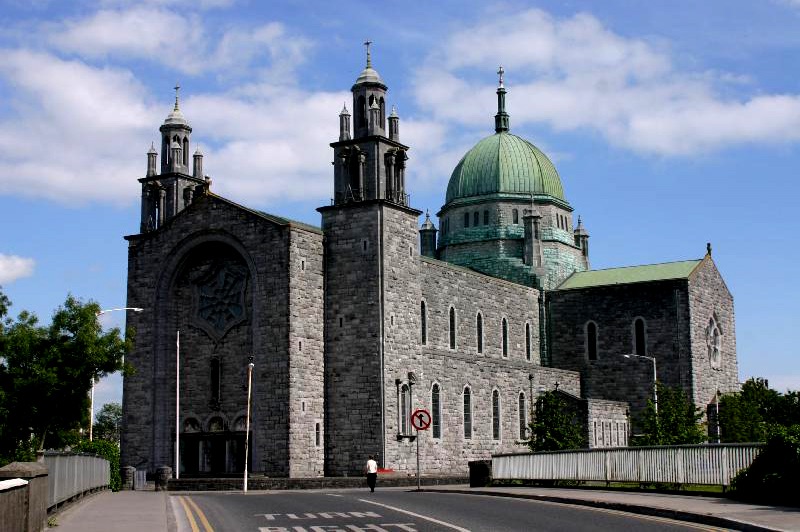
On a bustling Wednesday in the centre of Galway city, students and young professionals study, work and socialise. Caoimhe Cronin, a final year student at the University of Galway, reflects on the transformation of Irish society. “I was raised Catholic, made my communion and confirmation like everyone else in my class but as the years have passed, religion, institutional religion certainly means very little to me or my friends”.
Cronin’s words echo what many young people feel about organised religion and Catholicism in particular. The 2022 census reported that 100,000 people answered no religion, an increase of 63 percent since 2016. Further analysis of the census’s findings showed that the 16-29 age group had the highest proportion of people with no religion.
Just 30km north of Galway, lies the market town of Tuam. In July 2025 the excavation of the site of the former Bon Secours Mother and Baby institution began, 11 years after historian Catherine Corless found evidence of a mass grave at the site. She also found 796 death certificates but no burial records. The formal apology from the government in 2017 to the women and children incarcerated by the church only touches on the trauma suffered.
Disillusionment at the church’s merciless actions throughout the last century is one of the reasons why young people have lost faith, and their faith in formalised religion.
There are however other reasons for the leave taking. Many young people disagree fundamentally with the church’s teachings on societal issues such as gay marriage, women’s reproductive rights and divorce.
Originally from Dublin, but now living in Galway city Rachel Burke is a 22 year old student who decided to abandon Catholicism in her teens. She disagreed with the church’s stance on many issues including women’s reproductive rights and attitudes to homosexuality. “I never felt I needed an organisation to believe in, but as I became older and realised what the church was teaching and telling people about our lives, the decision was easy”. Like many young adults, Rachel held a desire for autonomy and agency in deciding on her own spirituality and beliefs. This is another reason why young people are no longer interested in what seems an outdated and out of touch patriarchal system.
Millennials and Gen Zs are a typical example of generations who eschew traditional values and role models. Young people want to decide for themselves what or who to worship and find solace and peace in other forms.
Traditional religious values and systems have been replaced by a suite of other concepts including self care, mindfulness and well being. The sense of community that being part of the local parish offered, can now be found in other non religious community activities such as Tidy Towns, choirs, local drama and sport clubs.
For Caoimhe Cronin, she not only ‘found her tribe’ in her community sea swimming club, but has also found a spiritual and awareness through the participation in her weekly swim sessions. “When I’m out in the icy water, I feel connected at a deeper level, not just to the bay but the shore and nature in general, and also to the people around me”.
Across the country, the younger generation, like Cronin are passionate about spirituality, community and parish, but in a way that is free from the binding ties of the Irish Catholic psyche. Rachel Burke, like many of her generation has found her sense of belief and faith in her passion for environmental issues. Being part of a community that focuses on the sustainability of our planet has replaced organised religion for the young activist. Groups like Sustainable Energy West and the BurrenBeo Trust provide a bedrock of community and purpose for young people that have left the church behind.
Caoimhe Cronin believes this ‘drop-off’ isn’t a negative thing, that it isn’t a loss, rather a transformation, “we are finding our god elsewhere, finding our purpose in something else, and after years of having no choice maybe that’s a good thing”.