Ireland on Course to Miss EU Water Quality Targets as Pollution Levels Rise
By Eoin Maher
Ireland will fail to meet EU water quality targets, as national water cleanliness levels continue to deteriorate.
Just over half of Ireland’s surface waters are now considered to be of “satisfactory” quality, which represents a 2% drop compared to 2021 figures.
The Environmental Protection Agency (EPA) attributes the decrease to two biggest challenges: to the inadequate wastewater management from urban areas and the excess nutrients from agriculture.
The news comes from the EPA’s 2024 Water Quality report, which revealed that almost 60% of wastewater treatment plants failed to meet the anti-pollution standards, directly harming rivers, lakes, and coastal areas.
“Our rivers, lakes and estuaries are the lifeblood of our landscape and support our ecosystems, our health and wellbeing,” said Dr. Eimear Cotter, EPA Director of the Office of Evidence and Assessment. “But they are struggling.”
The report also noted that of the fourteen towns failing to meet the required standards, six had done so just a years earlier. “This isn’t good enough,” said former EPA Programme Manager Noel Byrne. She then added, “It’s clear, the scale and pace of implementation need to be increased.”
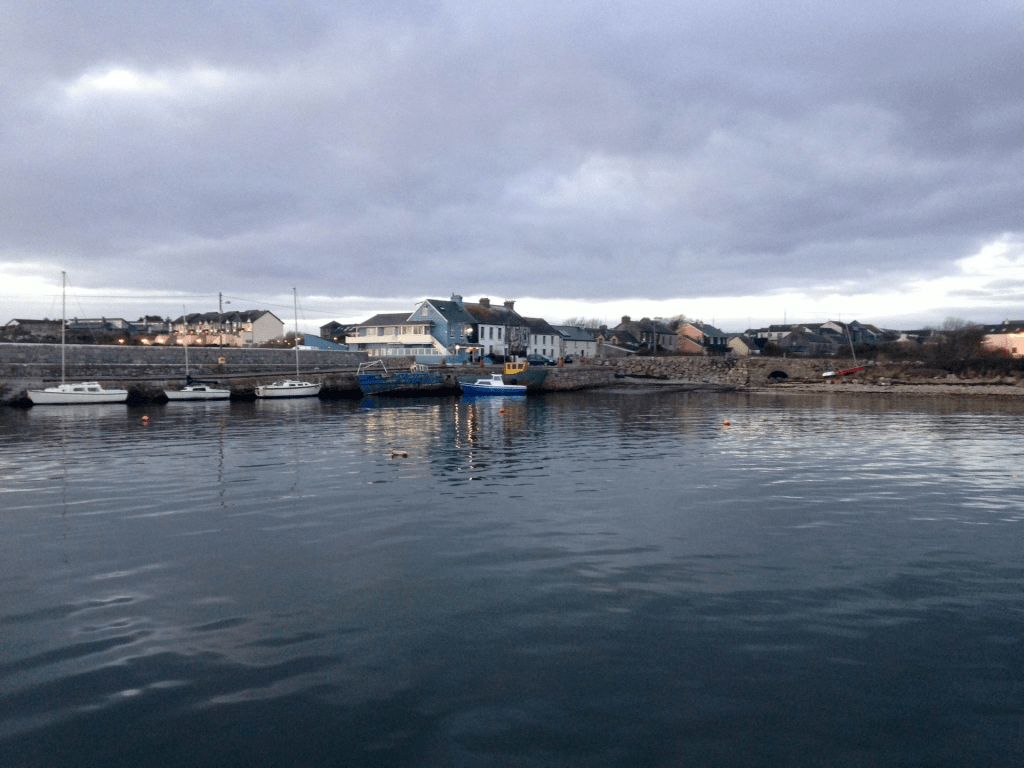
For residents living outside of Galway city, the news comes as little surprise – Bearna locals have been dealing with a steady stream of issues related to water quality for a long time.
Earlier in April of this year, Galway City Council discovered the levels of faecal matter contained in the waters surrounding Bearna Pier to be fifty times higher than the safe threshold for bathing. Sewage was believed to be the most likely culprit of this.
“When I first moved to Inverin in November 2022, my landlord mentioned an issue with the water coming out of the taps,” says Jeannete, who lives in Inverin, just outside Spiddal. “Since, then I’ve been cautious about drinking tap water and have opted to drink bottled water instead.”
“I am surprised by the EPA’s findings,” she added. “Coming from South Africa, where many treatment plants struggle to operate efficiently, I would have assumed that with fewer people and a more manageable infrastructure scale, Ireland would be in a better position to maintain high water quality standards.”
Despite the setback, the EPA report highlighted some improvements. Phosphorus levels in surface waters were reduced, alongside nitrogen in rivers, a ‘very welcome’ development, according to the EPA. Excessive levels of nitrogen and phosphorus can promote excess algae growth, that disrupts natural ecosystems.
Jeannete, an expert in chemical filtration, echoed the EPA’s assertion that falling quality levels need to stop. “Treatment plants must implement robust maintenance protocols, ensure adequate staff training, and adopt real-time monitoring systems to detect and respond to breakdowns before they impact water quality,” adding, “These are issues that can and should be resolved quickly.”
Jeannete also mentioned that the EPA’s report, which highlighted 78 areas of priority for improvement, will take somewhat longer to remedy.
“Investment should be data-driven, targeting locations where improvements will yield the greatest environmental and public health benefits,” Jeannete said. “Ultimately, transparency, accountability, and community engagement are essential. The public deserves to know where progress is being made and where delays persist.”
The EPA’s report includes assessment data from the previous three years across Ireland. The organisation insists that all stakeholders collect more effectively information on when and how actions to address issues are implemented before the health of Ireland’s water supply flows even further downstream.