What Budget 2026 can mean for locals
By Eve Lonergan
Uncertainty among Galwegians surrounding Budget 2026, as the Finance Minister insists there “will be no repeat of the ‘once-off’ measures” from last year’s bumper budget.
In 2024, the looming November general election meant that Budget 2025 was fruitful for the electorate. Several once-off payments of household energy credits, child support payments, and a fuel allowance lump sum ensured it was a record-breaking social protection budget.
However, the election incentives that categorised last years’ budget won’t be present in the upcoming year.
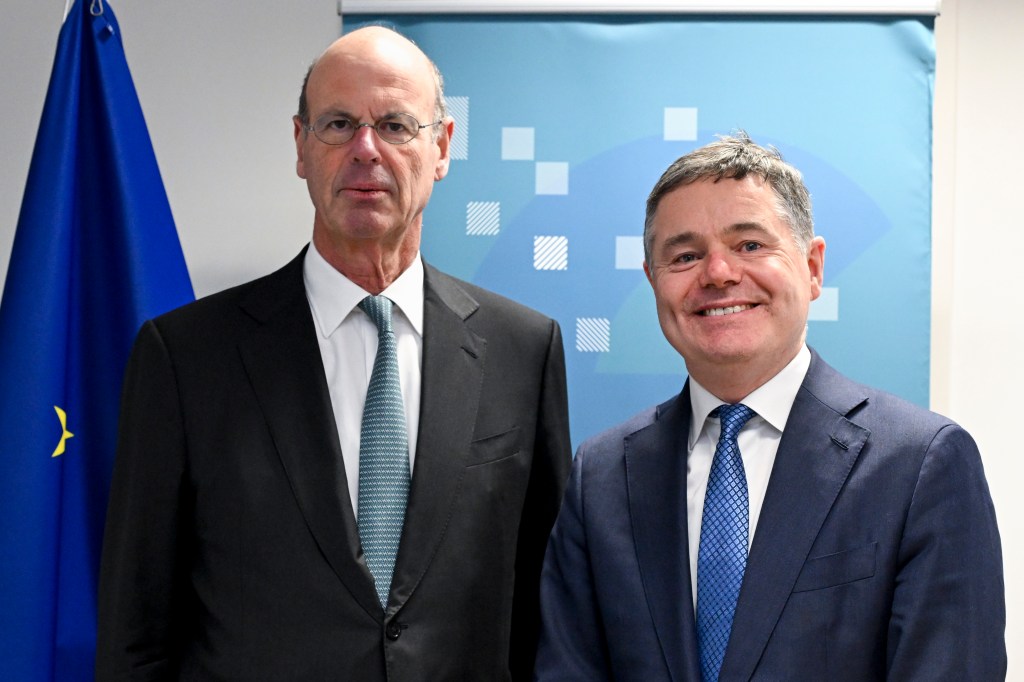
Minister Paschal Donohoe has promised that Budget 2026 will “provide cost of living payments that are sustainable and permanent”, in the Opening Statement at the Meeting of the Budgetary Oversight Committee.
Galway Pulse spoke to people in Galway city, and the cost of living was of main concern.
“I think we’re all coming to terms with the cost of living right now”, said one Galwegian, “but it’s not getting any easier.”
Another passer-by commented that; “those payments last year were quite helpful”, in regards to the Electricity Accounts Credit of Budget 2025.
“I think they should definitely bring that back,” she continued. “It would make a lot of people’s lives so much easier.”
Other suggestions from the people in Galway on how Budget 2026 could ease some of their financial concerns included reductions in student fees, increases in minimum wages, and a decrease of VAT within the hospitality sector.
“People want to support their local businesses,” one hospitality worker informed Galway Pulse. “But you can see the price points going up and customers are questioning that.”
So what can be expected to be included in Budget 2026?
Government has announced they are pursuing “a total budget package of €9.4 billion, made up of €1.5 billion in tax and €7.9 billion in expenditure measures”, which is a 7.3% increase on public spending than 2025.
The government is aiming to build up the Future Ireland Fund and the Infrastructure, Climate and Nature Fund to €16 billion by the end of 2025, in an effort to invest and prepare for “structural challenges on the horizon, like the costs of demographic change and the more uncertain global order”.
Minister Donohue also said that the government is “acutely aware” of the concern surrounding increased tariffs across many sectors, and promised that they are “taking action to maintain Ireland’s standing as a competitive and supportive environment for investment and employment”.
Overall, it seems next year’s budget is set to be ruled by cautious spending, with a focus on stability and long-term growth amidst the turbulent global economic climate. How this will impact the day-to-day life of Irish citizens is yet to be seen.