‘Most people don’t make eye contact with a homeless person’ – An insight into homelessness in Galway City
By Joline Sundén Rönnlund and Aoife Gallagher
Anyone can become homeless – that was the overarching message when Galway Pulse met with the homeless support charities, COPE Galway and Galway Simon Community, with the housing crisis described to be the most prevalent reason.
Both organisations agreed that the monthly figures released by the government do not reflect the real situation and only consider those availing of emergency accommodation.
September’s figures released by Galway City Council saw a total of 199 people experiencing homelessness in Galway City. From those, there were 52 youths homeless (ages 18-24), 93 individuals (25-44), 46 in the (45-65) category and eight elderly people, in the 65+ category.
“Students who are sleeping in cars, people who are couch surfing, women and children in domestic violence refugees and people who are homeless on the street are not counted in the official figures,” Fintan Maher, Head of Fundraising and Communications at Galway Simon Community told GalwayPulse.
What it is like to be homeless?
To go beyond the numbers and develop a deeper understanding of the situation, Galway Pulse spoke with Mark Anthony who gave a first-hand account having experienced homelessness.
Two decades since he experienced homelessness – Mark who is 38 years of age, shares what impact it has had on his life and where he is now. He initially became homeless having been in foster care, “I was in a children’s home and when I was 18, I had to leave and ended up becoming homeless for 3 years.
“When I was on the streets, I moved from place to place around Galway. I would look for places off the beaten track as it was safer to stay out of the city centre.”
Constant worries and feeling in danger became part of his daily life. “I saw many people being attacked when sleeping rough and you were always conscious that you could get attacked. Feeling unsafe all the time is the biggest worry and you are constantly on your guard. Also, the weather could be very bad. Feeling cold, hungry and alone.”
At the age of 21 he got a bed in a Galway Simon temporary shelter unit. “I was a number of years in different properties before I got my own place.
“I would like people to appreciate that homelessness can happen to anyone. I was not homeless because I was lazy, on drugs. It was because I was let down by the system.”
“I would like people to see a homeless person as a human being and to try them as such. When you are homeless you lose all self-worth and any feeling of home. If people treat you well and speak to you it makes such a difference.”
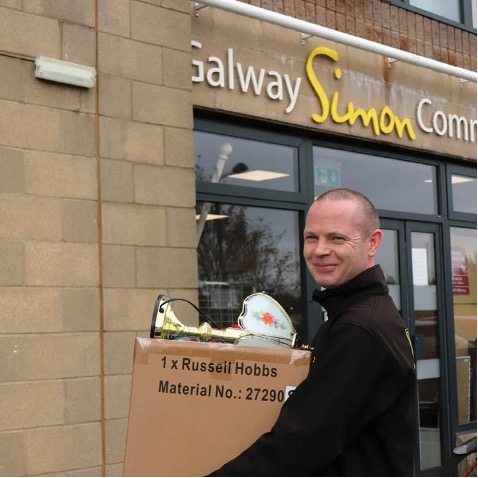
Mark Anthony, assistant shop manger for Simon Community in Galway.
Mark now works as the assistant shop manger for Simon Community in Galway. When asked how his experiences have shaped him, he mentioned a greater appreciation for what he has today.
“It has made me very grateful for what I have now. I’m married with kids and have my own home. I try to give my kids the love, security and safety I didn’t have as a child.”
It has further given him a better understanding of how to make a change to the lives of people experiencing homelessness, giving others the security he did not have.
“People can help by treating homeless people with respect and dignity. There are many reasons why people become homeless and it would be great if the public remember this when they see a homeless person. Also, they can help by supporting organisations like Galway Simon Community. I would not have my home, family or job without the support of Galway Simon.”
Faults in the system?
Galway Simon Community and COPE Galway, both stated that the biggest driver of homelessness is the housing crisis and a lack of suitable affordable accommodation and social housing.
“The price of housing in Galway is astronomical, it is second to the east coast in terms of housing prices. Galway is symptomatic of the rest of the country. The real problem is that the government are not building enough social housing,” Fintan said.
Other than forcing people into homelessness, the housing shortage makes it more difficult to break loose, which may result in a vicious circle, “The longer someone is in that situation, the more challenging it is,” said Martin O’Connor, Galway COPE’s Assistant CEO and Head of Operations.
The housing crises leads to homelessness which in turn creates a shortage of emergency accommodation and creates another dilemma while dealing with the issue. “All of the emergency accommodation in Galway city is currently full. The issue is there are no long-term accommodations available, so people are spending 2-3 years in emergency accommodation,” Fintan said.
“The reality is that we have a situation where somebody who may need a bed for a period of time will be prioritized, they all need a bed, but somebody who may need it because they have a particular challenge or health issue will be prioritized,” Martin said.
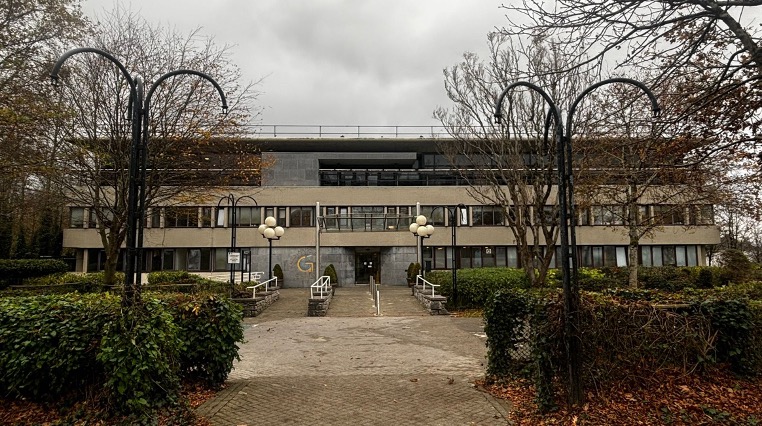
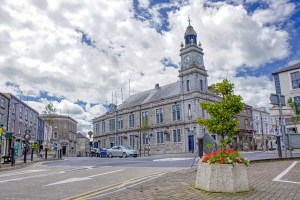
Galway City Council – The local authorities are the first point of contact if you find yourself in this situation
While identifying the housing crisis as the most prevalent reason, structural causes such as family breakdown and mental health issues adds to the situation.
However, it also works the other way around. “If you do not have mental health issues when you go in lots of people will develop them as a result of homelessness. Due to the crisis, more people are ending up with mental health issues,” Fintan said.
To get an insight from those who support people experiencing homelessness, the final question asked was, what one could do to help. “If we can challenge people to see themselves in someone who is homeless, if you talk to anyone on the street what they want is eye-contact. Most people don’t make eye contact with a homeless person. If you can see yourself in a homeless person that is an important thing,” Fintan concluded.