University of Galway research links frequent fizzy drinks with stroke risk
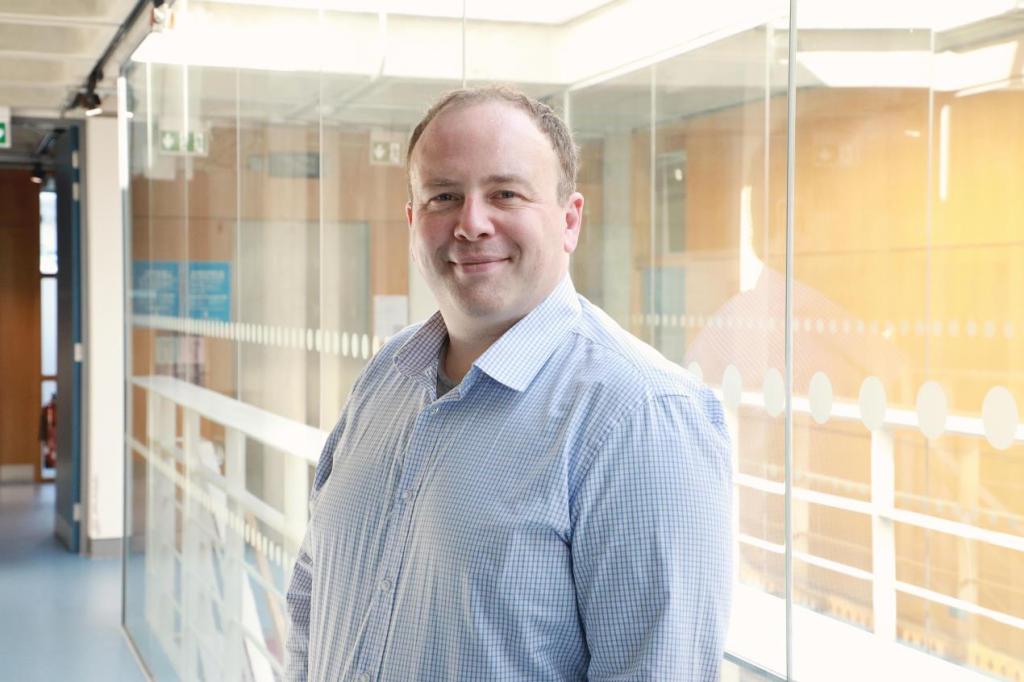
Professor Andrew Smyth, Professor of Clinical Epidemiology at University of Galway and Consultant Physician at Galway University Hospitals. Credit – Sean Lydon
Researchers at the University of Galway have linked frequent fizzy drink and coffee consumption to an increased risk of stroke.
The findings show that frequent fizzy drinks or fruit juices doubles the risk of stroke, and more than four cups of coffee a day increases the chances of a stroke by a third.
However, the research also found that drinking tea and more than seven cups of water a day was linked to reducing the chances of a stroke.
Lead researcher on both studies Professor Andrew Smyth, Professor of Clinical Epidemiology at the University of Galway and Consultant Physician at Galway University Hospitals said, “not all fruit drinks are created equal – freshly squeezed fruit juices are most likely to bring benefits, but fruit drinks made from concentrates, with lots of added sugars and preservatives, may be harmful”.
“Our research also shows that the chance of stroke increases the more often someone consumes fizzy drinks,” he said.
“As a doctor and as someone who has researched the risk of stroke, we would encourage people to avoid or minimise their consumption of fizzy and fruit drinks and to consider switching to water instead.”
The study focused on people’s consumption of fizzy drinks and fruit juice, found that fizzy drinks, including both sugar-sweetened and artificially sweetened such as diet or zero sugar, were linked with a 22% increased chance of stroke, and the risk increased sharply with two or more of these drinks a day.
Fruit juice drinks were linked with a 37% increase in the chance of stroke due to bleeding (intracranial haemorrhage). With two of these drinks a day, the risk triples.
Women showed the greatest increased chance of stroke due to bleeding (intracranial haemorrhage) linked to fruit juice/drinks.
The link between fizzy drinks and the chance of stroke was greatest in Eastern/Central Europe, the Middle East, Africa, and South America.
The findings come from two analyses of the Interstroke research project which have been published – the effects of fizzy drinks, fruit juice/drink and water were reported in the Journal of Stroke; and the findings related to tea and coffee in the International Journal of Stroke.
The study which focused on people’s consumption of coffee and tea found that drinking more than four cups of coffee a day increased the chance of stroke by 37%, but not associated with stroke risk for lower intakes.
Drinking tea was linked with an 18-20% reduced chance of stroke. Drinking 3-4 cups per day of black tea – including Breakfast and Earl Grey teas – was linked with a 29% lower chance of stroke. Drinking 3-4 cups per day of green tea was linked with a 27% lower chance of stroke. Adding milk may reduce or block the beneficial effects of antioxidants that can be found in tea, so the reduced chance of stroke from drinking tea was lost for those who added milk.
However, there were important geographical differences in the findings – tea was linked with a lower chance of stroke in China and South America but a higher chance of stroke in South Asia.
Professor Martin O’Donnell, Executive Dean of the College of Medicine, Nursing and Health Sciences at the University of Galway and Consultant Stroke Physician at Galway University Hospitals, co-leads the Interstroke study in partnership with Professor Salim Yusuf of the Population Health Research Institute at McMaster University, Canada.
“A key goal of the Interstroke study is to provide usable information on how to reduce one’s risk of stroke,” Professor O’Donnell said.
“While hypertension is the most important risk factor, our stroke risk can also be lowered through healthy lifestyle choices in diet and physical activity. The current study adds further information on what constitutes healthy choices on daily intake of beverages.”
Interstroke is one of the largest international studies of risk factors for stroke, involving almost 27,000 people, in 27 countries, including almost 13,500 people who experienced their first stroke. Those who took part in the study came from a broad range of geographical and ethnic backgrounds, with different cardiovascular risk profiles.