Opinion: How close are we to a general election?
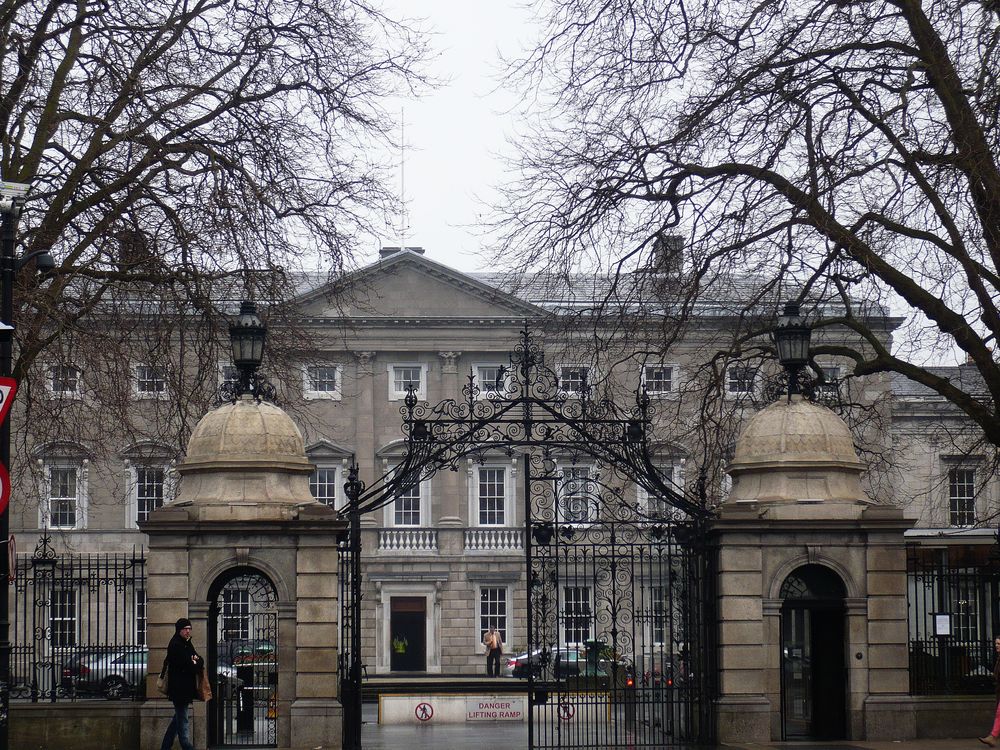
Photo of Dail Eireann in Dublin. Photo: Dail Eireann Dublin Public Domain Photograph, Free Stock Photo Image
With the budget delivered, despite most of it not actually being enacted into law yet, all eyes will soon turn to the election date.
It’s the question that has plagued government representatives for months, but whatever date the election ends up being, it is imminent, as the law states that the latest date polling can occur is 22 March While it is very unlikely Taoiseach Simon Harris will wait until the last minute, he might end up not too far from it.
In order to make an educated guess at when the election will be, we must decode the various statements by political figures.
When Simon Harris took office, he said he would not discuss the election date. Fast forward a few months, and he said the government would go “full term”, following a discussion with other coalition leaders when Harris took over from Leo Varadkar. Fast forward a little bit more to just a few months ago, and Harris explained his definition of “going full term”.
In a sort of contradiction, “full term” may not mean to us the same thing it does to the Taoiseach, who has the sole responsibility of dissolving the Dáil and calling the election. Speaking on Morning Ireland at the Fine Gael think-in at the beginning of September, he explained that “full term” does not necessarily mean going until the end, but rather means government finishing all its work. That doesn’t exactly clear things up does it?
Even on the day after the budget, Harris was still quelling suggestions of a pre-Christmas election, but didn’t go as far as completely ruling it out. His made his statement, believe it or not, while he was canvassing with Fine Gael candidates in Dublin.
Coalition Partners
So what have the other coalition leaders been saying about the election date? Despite it ultimately being the decision of the Taoiseach to call the election, Harris has indicated he wants to do it with the co-operation of the other coalition leaders, saying that he wants the government to “end well”.
Micheál Martin of Fianna Fáil and Roderic O’Gorman of the Green Party have been slightly more vocally supportive about the idea of going after Christmas. The Tánaiste, on Wednesday, called February the “ideal time” and that the logistics of going earlier is “very difficult”. However, when speaking to RTÉ Radio 1 he did add that “the difference between November and February isn’t enormous.”
The Green Party leader has been clear that he also wishes to go “full term”, but let’s not unpack that phrase all over again. O’Gorman, along with Martin, have highlighted key pieces of legislation yet to be completed, such as the Mental Health Bill, the Defamation Bill, and the Gambling Bill.
The advantage for Harris in going to the polls before Christmas is there is a general belief that Fine Gael, and possibly the other government parties, will do better before the “budget buzz” wears off and the bleakness of winter sets in.
But this comes with its own downsides, most obviously, the coalition partners wanting to hold on. But for Harris and his party, should that really hold him back while Fine Gael’s poll numbers are at a roughly three-year high and still rising?
In the end, it will all comes down to how Machiavellian Harris decides to be. Can he convince his government partners to go to the electorate before Christmas? And if not, will he do it anyway, for the interests of his own party?