Wholesale electricity prices down 68 per cent – but do consumers benefit?
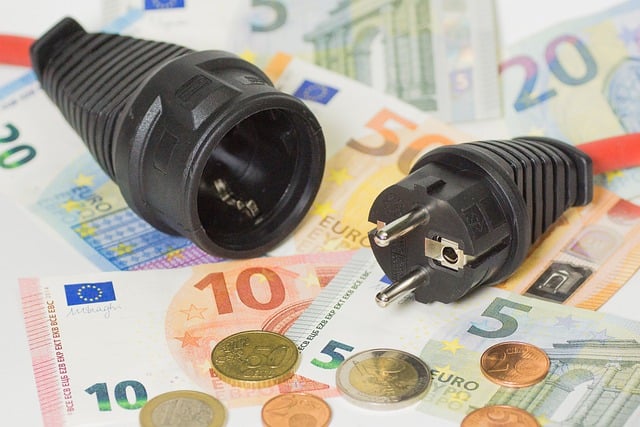
Photo: Stock photo
Wholesale electricity prices fell 68 per cent price last year, Central Stastics Office (CSO) figures show. Despite wholesale prices being the lowest since April 2021, consumers have seen little of the decrease.
Energy prices peaked in August 2022 after Russia invaded Ukraine, causing a sharp increase in energy prices worldwide.
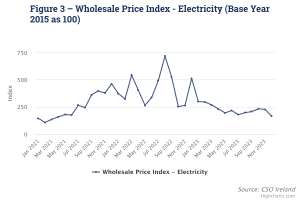
The CSO report published this week shows that wholesale electricity prices fell 27.6 per cent in December alone, with prices being the lowest since April 2021.
Only small reductions for consumers
Despite the stark decrease in wholesale prices, electricity prices for consumers have been reduced minimally. Overall, the CSO’s latest consumer price index shows that electricity prices for consumers decreased only 15.2 per cent last year.
Only two of the larger electricity companies in Ireland have offered price reductions twice.
In December, SSE Airtricity announced their second price decrease in three months. Effective from 1 February, the provider is offering a reduction of almost 13 per cent.
Electric Ireland, Ireland‘s largest energy supplier, followed with price reductions revealed on 15 January. From 1 March, Electric Ireland electricity will be eight per cent cheaper. The supplier predicts €153 of savings on the average annual electricity bill.
SSE Airtricity customer Ellen Owens was shocked when she found out about the difference between wholesale and consumer prices: “When are we going to see that [68 per cent] or even just 50 per cent… Any of it?”
“I remember getting an email informing me about the 13 per cent reduction,” she said, “but that is not 68 per cent now, is it?”
Consumers left with no choice
Despite some companies announcing price reductions, it “doesn’t really matter what supplier you’re with”, Ellen Owens said, leaving consumers with “no choice in the matter”.
Suppliers such as Electric Ireland purchase wholesale electricity from power stations, wind farms, and other renewable generators. Suppliers then sell electricity to their customers with a profit margin and regulatory charges added.
Ms Owens said high electricity prices “made sense when prices for everything went up when Russia invaded Ukraine”, but that electricity prices now are “just another level of profiting”.
Government called to act
The government reacted to spiking electricity prices with an energy credit of three installments of €200 in the 2023 Budget, followed by three installments of €150 as part of the 2024 Budget.
Ms Owens said she would rather see the government pressuring electricity companies to reduce their prices, rather than paying individual credits. The credits were “such little compared to the reduction of wholesale prices”.