Explainer: How the US Presidential Elections work
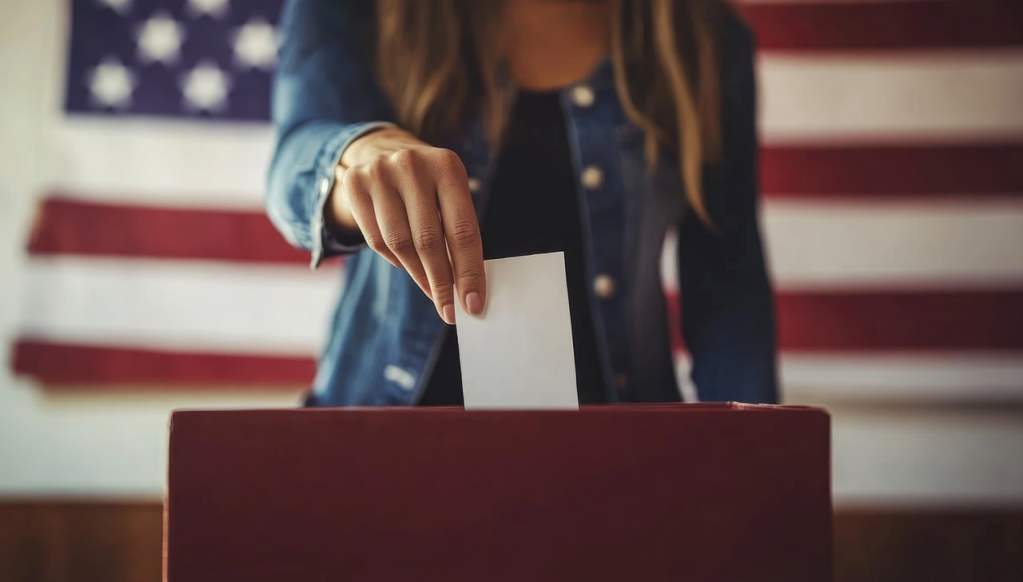
Photo: Pixabay.
The US Presidential Election is now just three weeks away, with millions of Americans preparing to vote on 5 November.
Democrat candidate and current Vice-President Kamala Harris is looking to become the first ever female President of the United States.
On the other hand, Republican candidate and former President Donald Trump is looking to return to the White House after an absence of four years.
However, whichever candidate gets the most votes won’t necessarily win the election. Instead, the election will be decided by the US Electoral College.
Under this system, each state has a certain number of electors based on its population.
California has the most votes in the Electoral College, with 54 electors representing its population of near 40 million. On the other hand, there are six states that have only three electors.
Voters generally select a presidential candidate on the ballot, but they are really voting for an elector.
In this way, voters essentially tell their state which presidential candidate they want their state to vote for at the meeting of electors.
In the majority of states, the candidate who receives the most votes receives all of the state’s Electoral College votes.
For example, if a candidate wins 51 per cent of the vote in California, they will receive all 54 of its electoral votes.
If the same candidate had won 100 per cent of the vote, they would still receive the same number of electoral votes.
There are two exceptions to this rule, with Maine and Nebraska using a proportional system which divides their Electoral College votes according to how many votes each candidate receives.
There are 538 Electoral College votes in total, and the first candidate to reach a majority of 270 wins the presidency.
Swing States
The majority of states vote consistently for the same party in every election. For example, New York has voted Democrat in every election since 1984, whilst Texas has always voted Republican in the same time period.
However, there are a number of so-called ‘swing states’ in which the odds are more evenly split.
This time around, these states are as follows: Pennsylvania, Michigan, Wisconsin, Georgia, North Carolina, Arizona and Nevada.
Both Harris and Trump have both focused their campaigns around these seven battleground states.
Although together they account for just 93 of the 538 Electoral College votes, they could yet decide the result of the election.
Opinion Polls
Right now, the opinion polls in all seven of these states are extremely close. The latest ABC News polls show Harris ahead by less than 1 per cent in Wisconsin, Michigan, Pennsylvania, and Nevada.
On the other hand, the same polls show Trump leading Georgia, North Carolina and Arizona by similar small margins.
Harris has led the national averages since she entered the race in July, and she maintains a narrow lead of 2.5 per cent, according to ABC.
However, similar polls underestimated Trump’s performance in both 2016 and 2020, so the 78-year-old is unlikely to be fazed by such figures.
Role of Turnout
Turnout could also play a huge role, especially in the swing states where people mightn’t be tied to a particular political party.
In 2020, 67 per cent of the electorate turned out to vote – the highest such rate in any presidential election since 1900.
If you compare that to 20 years previous, just 54 per cent of eligible voters cast their ballot in the 2000 presidential election. Such a margin can have a big impact.
As Harris and Trump head into the final weeks of their respective campaigns, encouraging Americans to get out and vote may yet make all the difference.









1 thought on “Explainer: How the US Presidential Elections work”