Israel taken to Hague, what’s next?

South Africa launched a genocide case against Israel at the International Court of Justice (ICJ) at the end of last year in response to the latter’s continued military action that claimed over 23,000 lives so far in Gaza according to the health officials there.
The 84-page application by South Africa includes, among others, the country’s requirement for an immediate suspension of military action in Gaza by Israel and for holding those who commit or attempt to commit genocide accountable according to the ICJ.
As the conflict is still raging in the Middle East while the case is being heard, the questions emerging are how effective the proceedings are in terms of bringing a halt to the ongoing Israel’s military action on the ground and what is waiting for the defendant.
Michael Becker, assistant professor from the school of law at Trinity College Dublin said the proceedings “provide an essential opportunity to address the perceived gap between Israel’s assertions that it complies with international law and its actions on the ground.”
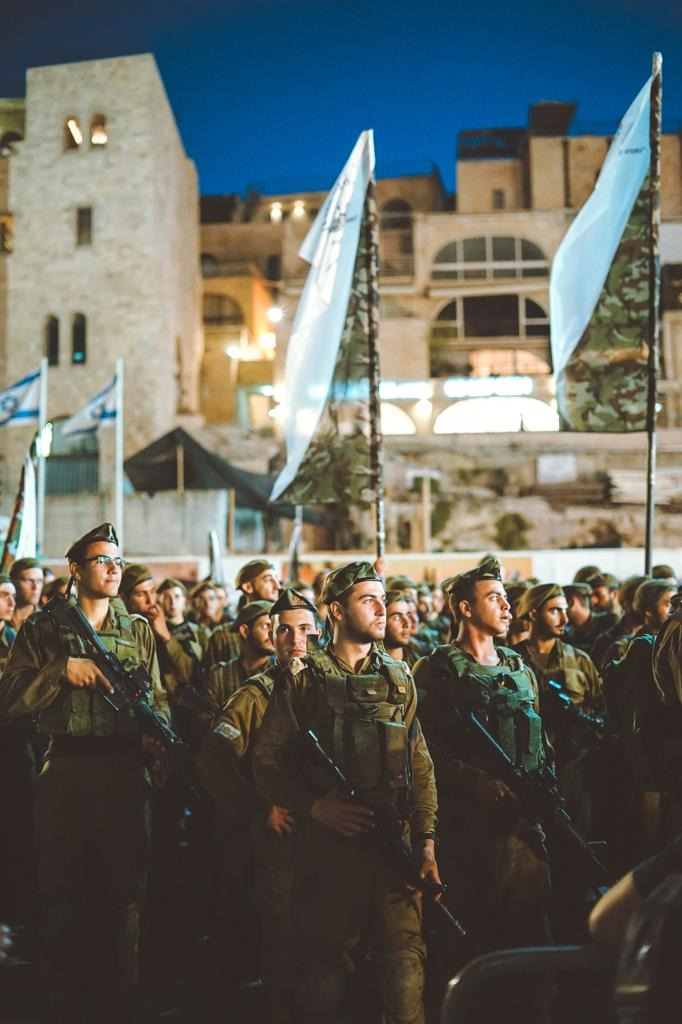
Israel’s military actions in Gaza have been subject to criticism over what some saw as a disproportionate response to a surprise attack on the country’s south by Hamas militants who, according to Israeli officials, killed around 1,200 and abducted over 240.
“It is important to distinguish the request for provisional measures from the claims on the merits, which will not be decided for many years if the case continues,” said Professor Becker.
“On the merits, each party will have the opportunity to present much more detailed arguments, supported by evidence.”
When it comes to the Israeli side, Professor Becker pointed out that they “emphasized the horrible atrocities” carried out by Hamas on the 7th of October, when the surprise attack took place and the “continuing need to rescue hostages.”
He said, “it may prove difficult for the ICJ to direct Israel to suspend all military operations.”
There are still 128 Israeli hostages kept in Gaza, according to the Times of Israel.
Israeli Prime Minister Benjamin Netanyahu has said he refused a ceasefire until all the hostages were released.
“One challenge,” he continued, is that “Hamas and other armed groups in Gaza are not and cannot be parties to the ICJ case, and the ICJ cannot issue an order that directs Hamas to enter into a ceasefire.”
“I believe the ICJ will be sensitive to Israel’s own security interests, even if the ICJ is simultaneously deeply concerned by Israel’s actions in Gaza. This means that the ICJ might instead direct Israel to show restraint and ensure that its military operations abide by international law.”
Talking about the case, Taoiseach Leo Varadkar said it “might allow the ICJ to make an order calling for the fighting to stop while the case is considered over the next number of years.”
“I think that’s where Ireland can play a role,” he added.