Hidden History and a Lifeline of Hope: ‘Lesbian Lines’ Review

By Charlotte Vanacore
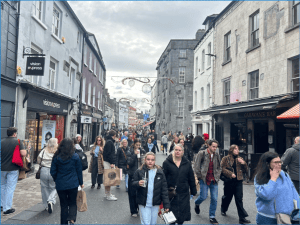
While walking down the streets of Galway, you may notice that there are signs and symbols scattered across the city showing support and solidarity to the Queer community. Whether it’s the LGBTQIA+ flags hanging in the West End, certain pedestrian crossings embellishing these colours, or queer events being held all over the city, Galway is a place that is inclusive of everyone. Over the Summer, the International LGBTQIA Film Festival screened the documentary ‘Lesbian Lines’ which unraveled the reality that lesbian women faced back in the day in Ireland and how this lifeline saved so many victims.
Director Cara Holmes, dug into the history of the Lesbian Lines, that were started out as a helpline for women who needed to talk about their issues and wanted someone to listen to their struggle. The documentary gathered recorded calls, handwritten records, and archive footage of what it meant to be a lesbian in Ireland in the eighties and how these underground phone lines allowed the emancipation of a queer community. As the demand for this helpline started to grow, Cork, Belfast, and Galway started to become hubs for lesbian groups.
The cast included some of the activists that were involved in the setup of the phone lines, such as Joni Crone, who was the first Irish woman to openly speak about her lesbianism on national television. Holmes assembled younger generations of lesbians to act and help retell the stories of these women, showing us the interconnectivity of the movement and how it enabled an open-mindedness in the Ireland that we know today.
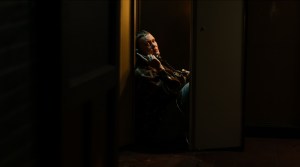
During the screening, we could connect and empathise with these women as the one-on-one interviews framed into the movie gave us an insight to their personally lived experiences and the emotions that were felt in those women. The flashbacks to archive footage of marches taking place around the country really immersed us into a parallel reality and showed us all the work that was behind the activism. Holmes included reimagined scenes of the women at parties, and pub outings as well as intimate relationships that were perused by the liberated women, deconstructing the prejudice that may have existed in the past about certain Queer groups. She emphasized this lived reality by allowing photos to be the focus of certain scenes, whilst layering off voices of the interviews with the volunteers of the lesbian lines.
What struck me the most was the popularity that these phones lines had at the time. Often, chose to write to the postal address of the Lesbian Lines as phone calls at this time often lacked a private space where they could speak openly, meaning that the women didn’t feel safe to share what they were going through. And for those who did call, finding the words to express the impact that came with years of prejudice and judgement was not easy, and chose to stay silent over the phone whilst still expressing courage for ringing the number.
This documentary wasn’t just an assemblage of events and stories put together to look pretty and cinematic; it is a continuation of the activism and emancipation of the lesbian community in Ireland. The film stands as a historical collection of archives and voices detailing the progress and work that was started off by these brave women, and gives them recognition, which is something that was never done rightfully by the people of Ireland and broadcasting platforms that existed back in the day.
Whilst taking all the images and words in at the cinema, I couldn’t help but feel moved and proud of the work and progress that was achieved and continues to be achieved by these women. In addition to this, I found myself smiling and giggling throughout the screening as Holmes and the participants shared anecdotes and jokes that allowed us to feel as though we were a part of their community. The merging of real-life events, phone calls, and retold memories throughout the film act as a historical record of a time that existed not so long ago and encourages us to speak about the unheard voices of the past.
Whether you are part of the LGBTQIA+ community, an ally, or a distant observer, I recommend taking the time to engage and listen to the message Holmes lays out for us in Lesbian Lines. Not only should this film be watched as a form of entertainment, but it should push you to rethink the society we used to be and the way in which Ireland should continue to evolve for it to become a safe and welcoming space for all beings.