


By Emilie Borch Lanther and Jera Aideen Schiffrer
With the introduction of the Budget 2027, the government has pledged to reduce the carbon tax in addition to keeping the lowered excise duty rates on petrol and diesel until mid-next year.
In a move to counter the cost-of-living crisis, the Government has announced that the carbon tax on home heating oil will be reduced from €63.50 to €48.50 t/CO2.
This rate will remain in place for the lifetime of the Government and not be increased as previously scheduled.
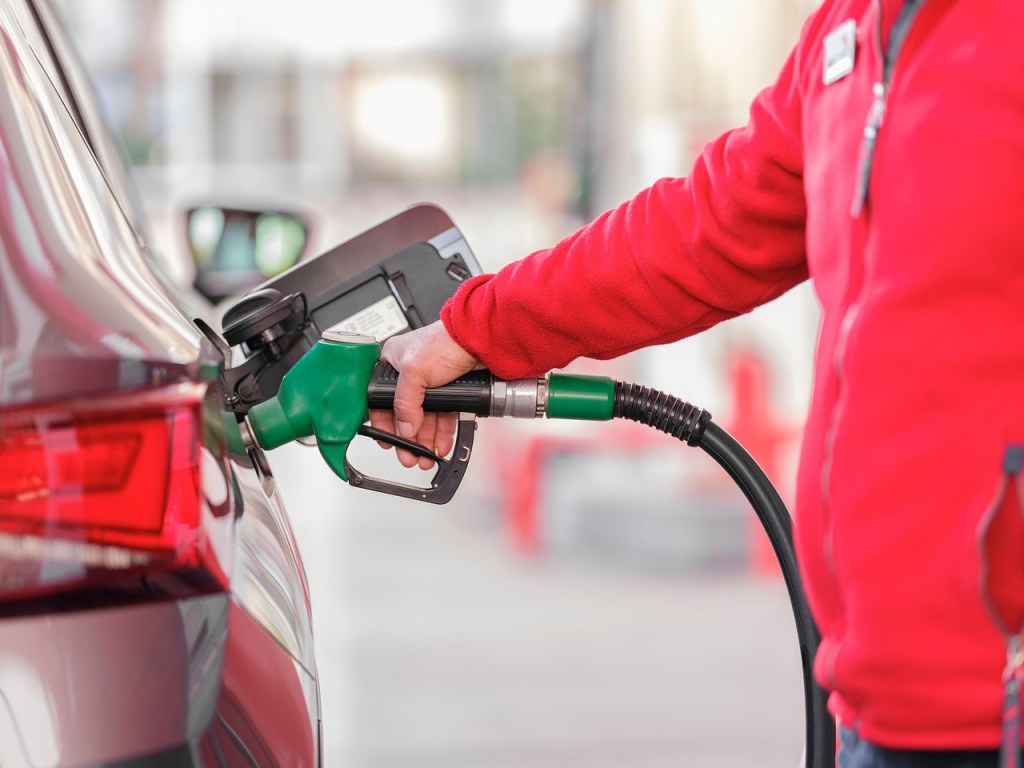
The excise duty rates on petrol and diesel will remain lowered until the end of February 2027, at which point the government will start the process of bringing it back up to previous levels in four stages.
There will be a gradual rise rather than an immediate surge in fuel prices, set to conclude on 30 June 2027.
A sum of €650 million has been allocated for SEAI home energy upgrades which is an increase of around 2 per cent from last year’s budget.
Energy upgrades including a new battery grant and a boiler scrappage scheme. A further €2 billion will be invested by Eirgrid in the coming years to support the transition to renewable energy sources.
Additionally, the government has confirmed the NORA levy will remain reduced until the 31 December 2026, an extension on the previous date of 31 October 2026. The same can be said for the diesel scheme, which will also remain in operation until the end of the calendar year.
The Green Party’s leader, Roderic O’Gorman has criticised these measures, mentioning the current climate crisis in his rebuttal: “We’ve just come out of a summer with wildfires and record temperatures on the continent.
“The government’s response is to lower the cost of carbon and hike up public transport fares. Fiddling while Europe burns.”
Furthermore, the party’s finance spokesperson, Cllr Michael Pidgeon, responded to with the sentiment that the Government has “given up on climate change” and “taken the easy way out and shafted the planet”.
Budget 2027 is set to tackle some of the paramount issues of everyday expenses but may prove to set Ireland’s environmental goals back in the long run.