


by Marcela Villagómez
Maria Keshderian smiles easily, but her path from Lebanon to Ireland has been anything but simple. Her story highlights a wider challenge: young non-EU migrants facing strict visa rules, limited job opportunities, and systemic barriers to building a future in Ireland.
Maria worked as a humanitarian aid worker in Armenia during the conflict with Azerbaijan. She later enrolled in a Master’s in public advocacy and activism, choosing Ireland “because of the culture, the language, and because it doesn’t have a history of colonising people”.
Non-EU students face hurdles. Lebanon requires visas to enter Ireland and with no embassy, applications are processed in the UAE or Egypt; a six-month wait. Maria received her visa days before travelling.
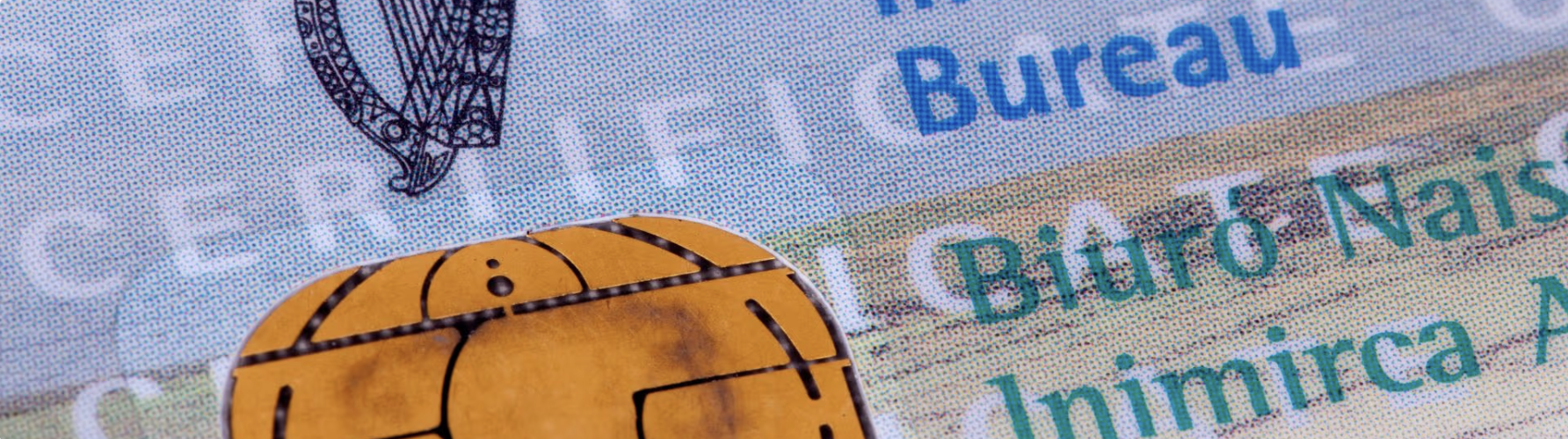
Two months before finishing her thesis, she secured a position with an organisation supporting homeless people. The Stamp 1G visa allows graduates to work full-time for two years, but moving to a Stamp 1 visa requires employer sponsorship, which not all organisations provide.
This transition period can be particularly pressurised. Tara Peedika, Anti-Racism Coordinator with Galway City Partnership, says many graduates face a narrow window to secure long-term employment.
“After college, most graduates move on to a Stamp 1G, which allows full-time work but is temporary. There is a lot of pressure to find the right job quickly before that permission runs out,” she said.
“I talked with HR and they said they hadn’t done that for many employees, but they were willing to try… After two months, the application was rejected,” Maria said. After a second attempt, she received her Stamp 1 visa.
Her experience reflects a wider challenge. Critical skills visas, which can lead to long-term residence, are largely limited to tech, healthcare, and high-demand sectors. Graduates in social sciences and human rights often have fewer pathways to remain in Ireland.
Recent changes have added further pressure. As of March, minimum salary thresholds for employment permits have increased to over €36,000 for general permits and over €40,000 for critical skills roles, making many entry-level positions inaccessible to recent graduates.
“Human rights is not considered within critical skills,” Maria says. This affects young people from non-EU countries pursuing degrees in social sciences or other fields. Tens of thousands of non-EU graduates applying for Stamp 1 and G1 visas each year face similar hurdles.
Ms. Peedika says employer understanding of the system can further complicate this process.
“Many employers hear ‘non-EU’ or ‘visa’ and assume immediate sponsorship, complexity or delays,” she said. “That lack of understanding can mean candidates are filtered out before their application is fully considered.”
Financial pressures compound these barriers. Maria could not access scholarships for certain nationalities or asylum seekers. Non-EU postgraduate students like her pay full tuition and work while studying, contributing to Ireland’s economy, yet visa rules can threaten their ability to stay.
The challenges extend beyond bureaucracy. Maria points to differences between Ireland and Lebanon: “Here I have more rights as an employee… In Lebanon, there’s a lot of exploitation; working many hours and not getting paid what you’re supposed to.” She adds that with an Irish passport, she would earn more than her compatriots in Lebanon for the same work.
“Graduates are not just competing on their skills,” Peedika added. “They are also trying to overcome administrative barriers and misunderstandings at the same time.”
Despite these obstacles, Maria has achieved her academic and professional goals, becoming the first in her family to earn both a bachelor’s and master’s degree. Yet visa restrictions continue to shape her options: “Even if I change positions in the same organisation, I would need to apply for the work visa again”
Maria’s experience highlights the realities facing many non-EU migrants in Ireland, where opportunity and structural challenges often coexist.