Department of Justice warns of ‘Immigration Bureau’ scam calls

Protect yourself from phishing scams. Photo: Pixabay
The Department of Justice issued a public warning this week alerting citizens to be vigilant against scam calls purporting to be from the ‘Immigration Bureau’.
International students studying in the area are advised to be particularly cautious to avoid falling victim to these fraudulent phone schemes.
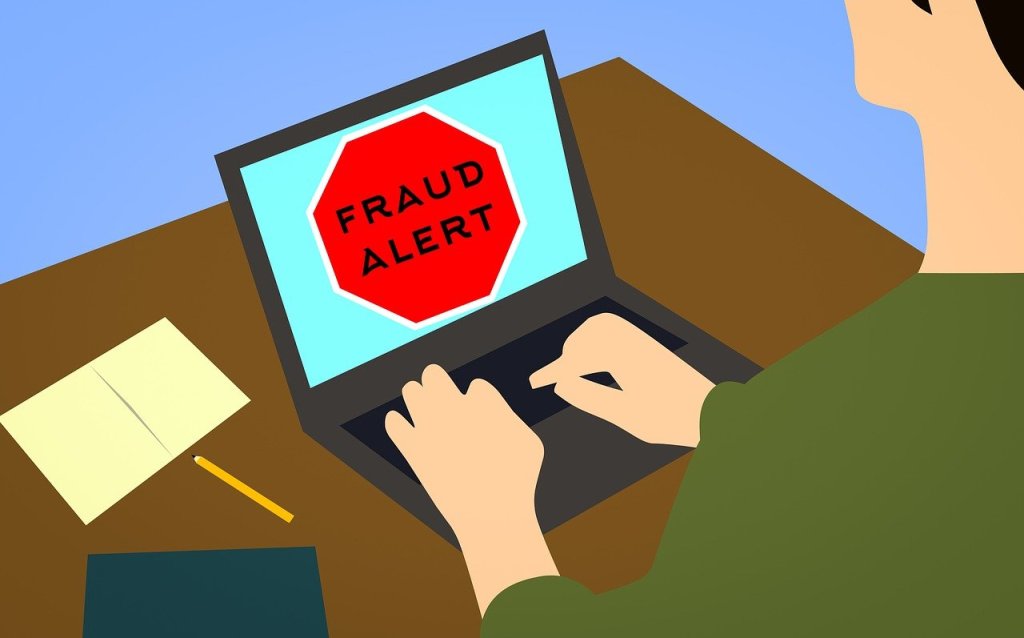
The Department of Justice stated, “Real immigration offices or other government entities would never contact citizens in this manner, asking for sensitive information or direct payments. If such suspicious calls are received, individuals are advised to hang up immediately and not follow any instructions given during the call.”
The scam involves fraudsters impersonating government officials, claiming issues with visas, such as expiration or other problems, to extract personal information and money from individuals.
These calls are often made with a sense of urgency, falsely informing victims of serious issues with their accounts that require immediate action to avoid legal repercussions or additional financial charges.
Scammers may ask for sensitive personal details such as PPS numbers, home addresses and bank account information, or instruct victims to make so-called ‘processing fee’ payments or pay fines through electronic transfers or other unconventional methods.
Common characteristics of these scam calls include:
- Origin: Calls are mostly made using personal mobile numbers.
- Content: An automated voice message claiming to be from the “Immigration Bureau”.
- Warning Messages: The recording states that your visa permit has expired or has other related issues.
- Multilingual Messages: The same information is then repeated in another language.
- Randomness: The calls seem to be made at random, targeting individuals who have never had any interactions or communications with the Immigration Bureau.
“I often receive scam calls, and the first time I got one, I almost believed it,” said Neil Donovan, University of Cork student.
“But when I heard the scammer asking for my bank account number, I hesitated. I realised it was a scam,” he added.
Detective Superintendent Michael Cryan of the Garda National Economic Crime Bureau said, “Just stop and think before you click on anything or show it to someone you trust for a second opinion.
“Never give away your personal data and if you have been a victim of account takeover fraud make sure you change your passwords and contact your bank as soon as possible and report it to Gardaí,” he added.
Tips for avoiding scams:
- Verify the caller’s identity before providing any personal information.
- Contact the relevant government departments directly through official channels to confirm the authenticity of the call.
- Do not casually click on any links provided by the caller, nor download any applications or software based on instructions from the call.
- Be cautious of any calls that press for immediate action; legitimate official agencies will not exert pressure in this manner.
- If you receive a suspicious call, hang up immediately and report it to the police.
Gardaí are collaborating with other law enforcement agencies to investigate these phone scam cases, looking for potential contacts and patterns of crime.
They urge anyone who may have been affected by similar scam attempts to contact them immediately.